
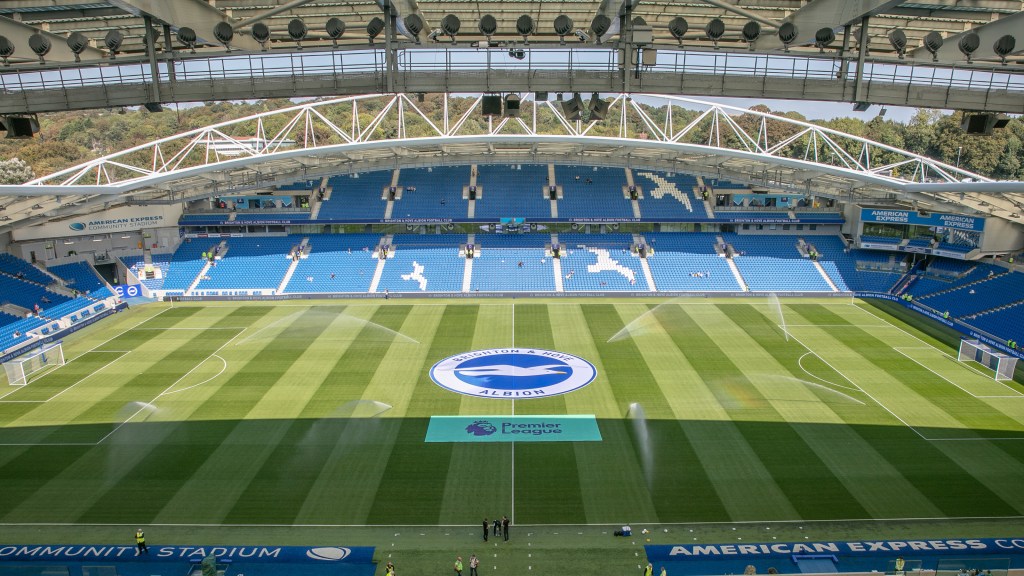
Brighton and Hove Albion Football Club, commonly known as Brighton, is a professional football club based in the city of Brighton and Hove, on the south coast of England. In this blog post, we’ll take a closer look at the history of the club, its recent successes, and its place in the community.
History
Brighton and Hove Albion was founded in 1901 and played its early years at the Goldstone Ground. The club has had its ups and downs over the years, experiencing both success and financial difficulties. In the late 1990s, the club faced a financial crisis and was forced to sell its stadium and groundshare with other clubs before finally moving into the newly-built Amex Stadium in 2011.
Early Years
Brighton and Hove Albion was founded by a group of local schoolboys who wanted to form a football team. The club’s early years were spent playing in local leagues, but in 1920, they joined the Southern League and began to make a name for themselves.
The 1930s and 1940s were difficult years for the club, as they struggled to compete in the Southern League and faced financial difficulties. However, things began to look up in the 1950s, when the club was elected to the Football League’s Third Division South.
Rise to Prominence
The 1960s and 1970s were the most successful periods in Brighton’s history. Under the management of Brian Clough and later Peter Taylor, the club won promotion to the Second Division in 1972. They continued to perform well in the Second Division, and in 1979, they were promoted to the First Division for the first time in their history.
The early 1980s were a period of great success for Brighton, as they established themselves as a top-flight team and reached the FA Cup Final in 1983. However, tragedy struck in 1985 when a fire broke out at the club’s stadium, killing three supporters and injuring many others.
Dark Times and Rebirth
The 1990s and early 2000s were a difficult period for Brighton, as they struggled on the pitch and faced financial difficulties off it. However, in 1997, the club moved to a new stadium, the Falmer Stadium, which helped to stabilize the club’s finances.
In 2011, Brighton won promotion to the Championship under the management of Gus Poyet. They continued to perform well in the Championship, and in 2017, they were promoted to the Premier League for the first time in their history.
Recent Success
Since moving to the Amex, Brighton has enjoyed a period of relative success. The club has established itself as a stable member of the Premier League, having secured promotion to the top flight in 2017. Under the guidance of managers Graham Potter and Roberto De Zerbi, Brighton has developed a reputation for playing an attractive, possession-based style of football, and has earned plaudits for its commitment to youth development.
Off the pitch, Brighton has become known for its commitment to sustainability and social responsibility. The club has invested in renewable energy and has launched initiatives to promote mental health and diversity.
Community Involvement
Brighton and Hove Albion has a strong presence in the community and is committed to making a positive impact both on and off the pitch. The club runs a number of initiatives to support local charities and community groups, including the Albion in the Community program, which provides football coaching and education to young people in the area.
The club also takes an active role in promoting diversity and inclusion, and has taken steps to improve accessibility at its stadium, such as installing a sensory room for fans with autism and other sensory processing issues.
Conclusion
Brighton and Hove Albion Football Club is an important part of the community in Brighton and Hove, and has a proud history and a bright future ahead. The club’s recent success and commitment to community involvement have helped to cement its place in the hearts of football fans in the region, and it will no doubt continue to be an important part of the sporting and cultural landscape of Brighton and Hove for years to come.
 Travel Brighton
Leave a comment